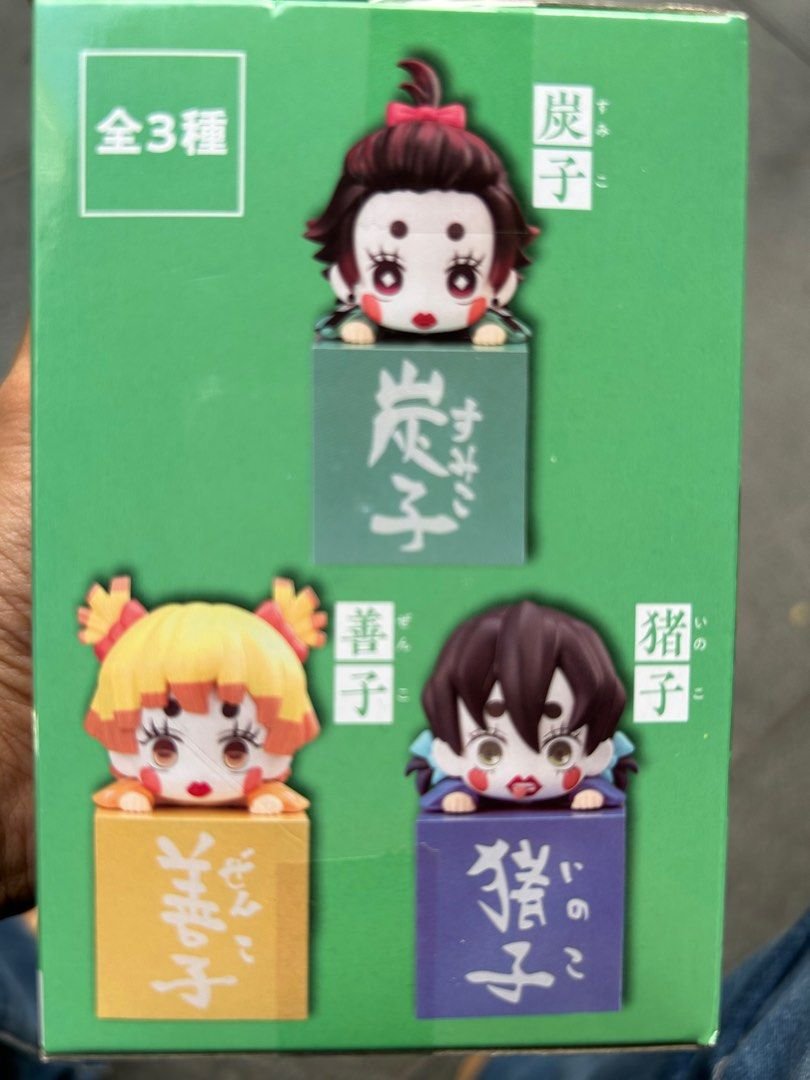
The world of Merchandise, Collectibles, and Fan Art isn't just about consumer goods; it's a thriving, dynamic ecosystem that powerfully empowers independent creators. From celebrated artists finding new revenue streams to passionate hobbyists turning their personal projects into a sustainable living, this space offers unprecedented opportunities to connect directly with an audience and build a brand around your unique vision.
This isn't merely a niche market; it's a cornerstone of the modern creator economy, allowing individuals to monetize their creativity, engage with communities, and transform passion into tangible, desirable products.
At a Glance: Key Takeaways for Creators
- Diverse Avenues: Merchandise, collectibles, and fan art each offer distinct paths for monetization and engagement.
- Direct Connection: Platforms make it easier than ever for creators to reach fans directly, bypassing traditional gatekeepers.
- Intellectual Property is Key: Understanding copyright, fair use, and licensing is crucial, especially for fan art.
- Quality Matters: Fans expect high-quality products that reflect the care and passion of the creator.
- Community is Currency: Building and nurturing a fan base is essential for long-term success.
- Strategic Marketing: Effective promotion goes beyond just posting your work; it involves understanding your audience.
The Creator Economy: Your Launchpad to Tangible Success
Gone are the days when artists relied solely on gallery sales or traditional publishing deals. Today, the internet has democratized creation, distribution, and commerce. For independent artists, this means the ability to transform digital designs, unique characters, or fan-inspired visions into physical products that resonate with a global audience. Think about the vibrant marketplaces where independent artists sell everything from T-shirts and stickers to intricate wall art and home decor, all designed and sold directly by them. These platforms ensure that every purchase directly supports the artist, fostering a more equitable creative landscape.
This shift isn't just about selling things; it's about building a sustainable career doing what you love. Whether you're a seasoned illustrator, a budding sculptor, or a digital artist with a knack for character design, the tools and platforms are now accessible to you. It's a testament to the power of community and direct-to-consumer models, where authenticity often trumps mass production.
Demystifying the Trio: Merchandise, Collectibles, and Fan Art
While often grouped, these three categories each carry distinct characteristics and implications for creators. Understanding these differences is your first step toward strategizing your entry into this exciting market.
Merchandise: Everyday Expressions of Fandom and Brand
Merchandise refers to branded products that carry an artist's signature style, characters, or specific designs. These are often functional items, intended for everyday use or display, allowing fans to incorporate their passions into their daily lives. Think apparel (t-shirts, hoodies), accessories (mugs, phone cases, keychains), stationery, or prints.
Why it matters for creators:
- Accessibility: Generally lower price points make merchandise accessible to a wider audience.
- Brand Awareness: Every piece of merchandise acts as a tiny billboard for your work.
- Consistent Revenue: With diverse product offerings, you can maintain a steady income stream.
- Ease of Production: Many platforms offer print-on-demand services, minimizing upfront investment.
Collectibles: Scarcity, Craft, and Long-Term Value
Collectibles are a more specialized category, often characterized by limited editions, higher craftsmanship, unique materials, or a narrative that increases their desirability. Unlike general merchandise, collectibles are typically purchased with an intent for display, preservation, and sometimes, appreciation in value over time. Examples include limited-run art prints, designer toys, resin figures, enamel pins with special variants, or hand-painted sculptures.
Why it matters for creators:
- Premium Pricing: The scarcity and artistry command higher prices.
- Deep Fan Engagement: Collectibles often appeal to the most dedicated fans who appreciate the intricate details and exclusivity.
- Artistic Expression: This category allows for more complex and ambitious artistic projects.
- Secondary Market Potential: Successful collectibles can generate buzz and even value on resale markets, further enhancing an artist's reputation. You can learn more about factors that drive value in the collectible market by exploring insights on collectible value factors.
Fan Art: A Bridge Between Inspiration and Originality
Fan art is artwork inspired by a character, story, or concept from an existing intellectual property (IP)—like a movie, video game, comic book, or TV show. It's born from passion and a desire to engage with beloved fictional worlds in a creative way. Fan art can manifest as drawings, paintings, sculptures, cosplay, or digital manipulations.
Why it matters for creators:
- Community Engagement: It's a fantastic way to connect with existing fan communities and showcase your skills to a pre-built audience.
- Skill Development: Practicing with established characters can hone your artistic abilities and develop your unique style.
- Visibility: Leveraging popular IPs can significantly boost your visibility and introduce your work to a broader audience who might then discover your original creations.
- Ethical Considerations: This is where understanding intellectual property law becomes paramount. It's a fine line between tribute and infringement, a topic we'll dive into shortly.
Navigating the Intellectual Property Maze: Protecting Your Art and Understanding Fair Use
The vibrant world of merchandise and fan art thrives on creativity, but it also sits squarely in the complex realm of intellectual property (IP). For independent creators, a clear understanding of copyright, fair use, and licensing isn't just "good to know"; it's foundational to building a sustainable and legally sound career.
Original Creations: Your Untouchable Rights
When you create an original piece of art—be it a character design, an illustration, a sculpture, or a unique pattern—it is automatically protected by copyright the moment it's fixed in a tangible medium. This means you, the creator, have exclusive rights to reproduce, distribute, perform, display, and create derivative works from your art.
Key considerations for your original work:
- Registration (Optional, but Recommended): While automatic, registering your copyright with the appropriate national office (e.g., U.S. Copyright Office) provides stronger legal standing in case of infringement, making it easier to sue and recover damages.
- Creative Commons Licenses: If you want to allow others to use your work under specific conditions (e.g., non-commercial use with attribution), Creative Commons licenses offer a flexible framework.
- Digital Fingerprinting & Watermarks: While not foolproof, these methods can deter unauthorized use and help prove ownership.
Fan Art and the Fair Use Conundrum
This is where things get particularly nuanced. Most fan art, by its very nature, uses existing copyrighted characters, settings, or concepts. Legally, creating and selling fan art without permission from the original IP holder can constitute copyright infringement.
However, the concept of "fair use" exists as a defense against infringement claims. Fair use allows limited use of copyrighted material without permission for purposes such as commentary, criticism, news reporting, teaching, scholarship, or research. The determination of fair use is made on a case-by-case basis, considering four factors:
- Purpose and character of the use: Is it for commercial gain or non-profit educational purposes? Is it "transformative" (i.e., does it add new meaning or expression, or merely reproduce the original)?
- Nature of the copyrighted work: Is the original work factual or highly creative?
- Amount and substantiality of the portion used: How much of the original work was used, and was it the "heart" of the work?
- Effect of the use upon the potential market for or value of the copyrighted work: Does the fan art compete with the original IP holder's ability to market their own work?
The Reality for Fan Artists:
Many IP holders choose not to aggressively pursue fan artists, recognizing the value of fan engagement and community building. Some even embrace it, offering official fan art programs or licensing opportunities. However, this is at their discretion. A creator operating in this space should always be aware that a cease-and-desist letter or legal action is a possibility, no matter how beloved their fan art is.
For a deeper dive into the specifics of copyright and how it impacts your creative work, particularly in the digital age, you'll find comprehensive guidance on understanding copyright and intellectual property.
Licensing: The Gold Standard for Fan Art Commercialization
The safest and most legally sound way to create and sell fan art is by obtaining a license from the original IP holder. A license grants you permission to use copyrighted material under specific terms, often for a fee or royalty.
How licensing works for creators:
- Official Programs: Some major IP holders (e.g., Disney, Warner Bros., various gaming companies) have official fan art or creator licensing programs, often facilitated through platforms. These programs specify which characters or themes can be used, product types, and royalty structures.
- Direct Negotiation: For smaller IPs or specific projects, you might directly approach the IP holder or their licensing agent to negotiate terms. This is more complex but offers greater flexibility.
While obtaining a license can seem daunting, it provides peace of mind and the full legal right to commercialize your fan-inspired creations, allowing you to focus on the art itself.
From Concept to Canvas: Bringing Your Visions to Life
Once you have a grasp of the legal landscape, the real fun begins: transforming your creative ideas into tangible products that resonate with your audience. This journey involves choosing the right medium, selecting compelling products, and figuring out the best production methods.
Choosing Your Medium: Digital, Traditional, or a Hybrid?
Your artistic medium profoundly impacts the type of merchandise and collectibles you can produce.
- Digital Art: Highly versatile for print-on-demand (POD) items like apparel, stickers, posters, phone cases, and web graphics. Vector art is especially valuable for scalability without losing quality.
- Traditional Art: Paintings, drawings, sculptures. These can be digitized for prints and merchandise, or sold as original pieces/limited-edition collectibles.
- 3D Art/Sculpting: Ideal for creating physical figurines, designer toys, prototypes for enamel pins, or even functional items through 3D printing.
- Hybrid Approaches: Combining traditional sketches with digital coloring, or designing a character digitally before sculpting it by hand, offers a wide range of possibilities.
Product Selection: What Will Your Fans Cherish?
The products you choose should align with your art style, target audience, and brand. The Redbubble model, for instance, highlights popular items like T-shirts, stickers, wall art, and home decor, which are excellent starting points for many creators.
Consider these popular and effective product types:
- Apparel: T-shirts, hoodies, tank tops, socks. (Think about fabric quality and fit.)
- Prints: Art prints, posters, canvas prints. (Vary sizes, offer limited editions.)
- Stickers & Decals: Inexpensive, versatile, and highly collectible.
- Enamel Pins: Extremely popular collectibles, often with intricate designs and limited runs.
- Mugs & Drinkware: Practical merchandise that gets daily use.
- Phone Cases: Another daily-use item, offering high visibility.
- Home Decor: Pillows, blankets, tapestries, wall clocks.
- Figurines & Sculptures: For more advanced 3D artists, these can be high-value collectibles.
- Stationery: Notebooks, journals, greeting cards.
When selecting products, think about what your audience already buys and what would naturally fit their lifestyle or their existing collection. If you're passionate about specific characters, like those found in All about Sally and Jack Skellington, consider how those themes could translate across different product types, from subtle home decor to vibrant apparel.
Production & Fulfillment: Getting Your Art into Hands
How you produce and deliver your products is a critical decision impacting cost, time, and quality.
1. Print-on-Demand (POD) Services
- How it works: You upload your designs to a platform (like Redbubble, Teespring, Printful), and they handle printing, shipping, and customer service whenever an order comes in.
- Pros: Minimal upfront cost, no inventory management, wide product variety, global reach.
- Cons: Lower profit margins per item, less control over product quality and packaging, limited customization.
- Best for: New creators, testing designs, offering a wide range of accessible merchandise.
2. Self-Production & Inventory Management
- How it works: You design, produce (or source from a manufacturer), manage inventory, and handle all shipping and customer service yourself.
- Pros: Higher profit margins, complete control over quality, unique packaging, ability to offer truly limited-edition collectibles.
- Cons: Significant upfront investment (inventory, equipment), time-consuming, requires storage space, shipping logistics can be complex.
- Best for: Established creators, high-end collectibles, artists who enjoy hands-on production, building a highly curated brand experience.
3. Hybrid Model
Many creators start with POD for their core merchandise and gradually move into self-produced limited collectibles as their audience grows and demand increases. This balances accessibility with exclusivity.
Building Your Brand and Connecting with Fans: More Than Just Pretty Pictures
Having amazing art is just one piece of the puzzle. To truly succeed in the merchandise and collectibles space, you need to build a compelling brand, tell your story, and foster a genuine connection with your audience. Remember the Redbubble mantra: "Every purchase you make puts money in an artist’s pocket." This direct impact is a powerful story to tell.
Crafting Your Narrative: Why Your Art Matters
People don't just buy products; they buy into stories, values, and connections. What inspired you to create? What message do you want to convey? Your brand narrative should be authentic and personal.
- Your "Why": Why do you create what you create? What themes are you passionate about?
- Your Process: Share glimpses behind the scenes. People love seeing how art is made.
- Your Values: Do you use sustainable materials? Support a cause? Promote inclusivity? Let your audience know.
Community Engagement: Your Fandom is Your Fuel
An engaged community is your most valuable asset. They are your first customers, your best promoters, and a source of invaluable feedback.
- Social Media: Platforms like Instagram, TikTok, Twitter, and Pinterest are visual showcases for your art. Consistently share your work, process, and personality. Engage with comments and messages.
- Discord Servers/Forums: Create dedicated spaces for your most dedicated fans to interact with you and each other.
- Live Streams/Q&A: Go live to draw, chat, or answer questions. This builds a strong sense of personal connection.
- Conventions & Markets: In-person events allow for direct interaction, immediate feedback, and the chance to convert casual viewers into loyal fans.
Strategic Marketing: Reaching Your Tribe
Effective marketing isn't about shouting into the void; it's about strategically reaching the people who will love your work.
- Identify Your Niche: Who is your ideal customer? What are their interests? Where do they hang out online?
- Content Marketing: Create valuable content beyond just product photos. Tutorials, speed paints, behind-the-scenes blogs, or even short stories related to your art can attract an audience.
- Email List: Build an email list to communicate directly with your most interested fans about new releases, sales, or exclusive content. This is one of your most powerful marketing tools.
- Collaborations: Partner with other artists, influencers, or brands whose audiences align with yours.
- Paid Advertising: Consider targeted ads on social media or search engines to reach specific demographics, especially for new product launches.
Building a strong marketing strategy is crucial for cutting through the noise. Discover more about how to effectively present your art and products to the right audience with these practical marketing strategies for creators.
The Collectible Market: Beyond Just "Stuff"
The world of collectibles offers a unique blend of artistry, sentiment, and sometimes, investment potential. For creators, it's an opportunity to create highly sought-after pieces that foster deep connections with dedicated fans.
The Power of Scarcity and Rarity
What makes something collectible? Often, it's its limited availability.
- Limited Editions: Announcing a specific number of pieces (e.g., "Edition of 100") immediately creates exclusivity.
- Timed Releases: Offering a product for sale only within a specific window, after which it's never made again.
- Variants & Chases: Releasing different versions of a collectible, sometimes with rare "chase" variants, adds excitement and a "treasure hunt" element for collectors.
- Artist Proofs (APs) & Hand-Embellished Editions: These can add a personal touch and extra value, especially for prints.
Scarcity taps into a psychological desire for unique items and signals perceived value. It encourages collectors to act quickly and fosters a sense of being part of an exclusive group.
Authenticity and Provenance: Building Trust
For collectors, knowing the origin and authenticity of an item is paramount.
- Certificates of Authenticity (COA): For limited editions, providing a signed and numbered COA adds significant value and trust.
- Numbered Editions: Physically numbering each piece (e.g., 1/100, 2/100) on the item itself.
- Artist Signatures: A handwritten signature on a print or collectible enhances its value.
- Behind-the-Scenes Documentation: Sharing photos or videos of the production process for high-end collectibles can reassure buyers of their authenticity and craftsmanship.
Investing in Art: Understanding the Market Dynamics
While most fans buy collectibles out of passion, a subset also considers their potential future value. As an independent creator, understanding this dynamic can inform your release strategies.
- Resale Market: Platforms like eBay, dedicated forums, or specialized collectible marketplaces show the secondary market for your work. Observing these can indicate the demand for your pieces.
- Artist's Trajectory: The value of a collectible can increase as an artist's career grows and their reputation solidifies. Early pieces by a now-famous artist often fetch premium prices.
- Condition is King: For collectors, the condition of an item (often graded from "mint" to "poor") dramatically affects its value. Packaging and careful shipping are therefore crucial.
By understanding these elements, you can strategically position your art as not just beautiful objects, but as potentially valuable artifacts for your dedicated followers. Dive deeper into how to cultivate your audience and build a loyal following with guides on building a strong fan community.
Empowering Your Creative Journey: Pitfalls to Avoid
Even with the best intentions and most beautiful art, the path of an independent creator in this space has its challenges. Being aware of common pitfalls can save you time, money, and heartache.
1. Intellectual Property Infringement Blind Spots
- Pitfall: Assuming that because "everyone else is doing it," your fan art is safe, or that a small modification makes it "original."
- Solution: When in doubt, seek permission or stick to original creations. If creating fan art, be prepared for the possibility of a cease-and-desist. Understand that platforms can remove your infringing work without notice.
2. Over-Producing or Under-Pricing Your Work
- Pitfall: Producing too much inventory for an unproven product, leading to dead stock, or pricing your work so low that you barely cover costs and undervalue your time and skill.
- Solution: Start small. Test demand with limited runs or POD. Thoroughly calculate your costs (materials, time, shipping, platform fees) and research competitor pricing. Your art has value; price it accordingly.
3. Neglecting Customer Service and Community Feedback
- Pitfall: Ignoring messages, being slow to resolve issues, or dismissing feedback from your fans.
- Solution: Treat every customer interaction as an opportunity to build loyalty. Be responsive, transparent, and empathetic. Your community is your biggest advocate.
4. Poor Quality Control
- Pitfall: Rushing production, using cheap materials, or failing to inspect items before shipping, leading to customer disappointment and negative reviews.
- Solution: Prioritize quality. If using a POD service, order samples. If self-producing, establish a rigorous quality check process. A few dollars saved on materials can cost you dearly in reputation.
5. Inconsistent Branding and Messaging
- Pitfall: Your social media, website, and products have conflicting aesthetics, tones, or narratives, confusing your audience.
- Solution: Develop a clear brand identity and stick to it. Your visual style, voice, and message should be consistent across all platforms. This builds recognition and trust.
6. Ignoring the Business Side of Art
- Pitfall: Focusing solely on creation and neglecting essential business tasks like accounting, taxes, marketing, and strategic planning.
- Solution: Dedicate time each week to the "business of art." Track your income and expenses. Understand your tax obligations. View yourself as a small business owner, not just an artist. For comprehensive tools and resources to help you manage the business side of your creative endeavors, explore guides on an independent creator toolkit.
Your Next Step: Transforming Passion into a Thriving Enterprise
The journey from creative idea to successful merchandise, collectible, or fan art business is incredibly rewarding. It’s a path that demands not just artistic talent, but also a strategic mindset, a commitment to quality, and a genuine desire to connect with others.
The digital age has gifted independent creators with unprecedented access to global audiences and powerful tools. Whether you're just starting to sketch your first character or you're a seasoned artist looking to expand your reach, the principles remain the same: create with passion, understand the landscape, engage your community, and always strive for excellence.
Your art has the power to inspire, delight, and connect. By thoughtfully navigating the world of merchandise, collectibles, and fan art, you’re not just selling products—you’re sharing your unique vision, building a community, and empowering your own creative future. Now, go create something amazing.